Fire detection, alarm & voice evacuation
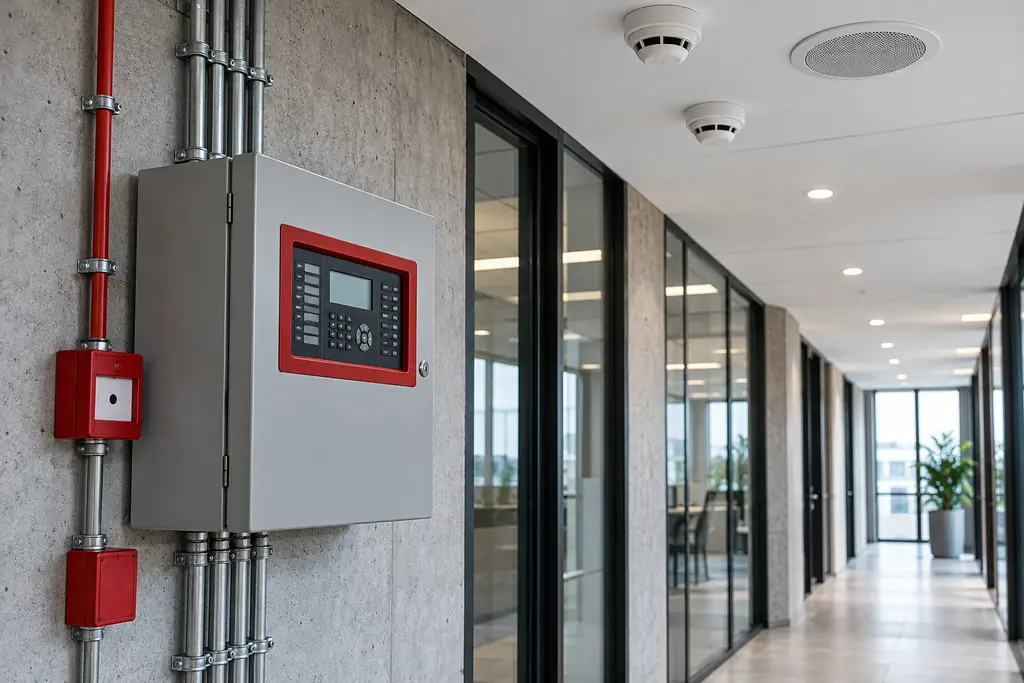
Fire detection, alarm and voice evacuation design, including point, beam and aspirating detection and coordinated cause-and-effect requirements
Engineering services (Detection & voice alarm)
The design question extends beyond where devices are located. The expected response to an event, the building operation, the protected risk and the interaction with other systems all need to be understood. This is particularly important where detection initiates mechanical actions, access control changes or suppression sequences.
An existing system may have expanded through several projects without a consolidated record of its cause-and-effect logic. New systems can face a similar problem when responsibilities are split between suppliers. A defined engineering brief makes the intended behaviour and the interfaces clearer before implementation.
Scope of expertise
The appointment is defined around the facility, available information and required project outcomes. Relevant services can include:
- Fire detection strategy, system categories and coverage requirements
- Point detection, aspirating smoke detection and optical beam applications
- Manual call points, audible alarms and visual alarm devices
- Voice alarm and evacuation requirements, zoning and intelligibility considerations
- Cause-and-effect, monitored interfaces, power supplies, battery and circuit requirements
- Technical review of specialist submissions and integration with suppression and building services
Design and deliverables
We establish the protection objective, operating context and relevant interfaces. The system requirements are then developed or reviewed in coordination with the fire strategy and specialist providers. Unresolved responsibilities, assumptions and verification requirements are recorded for the project team.
System requirements
A documented design intent, functional requirements and interface information.
Review and coordination comments
Technical observations on submitted information and matters for specialist resolution.
Detection layouts and cause-and-effect schedules
A coordinated package connects device locations to the zone and loop schedules, power supplies, battery calculations and circuit requirements. The cause-and-effect schedule records how the system responds to alarm, fault and manual inputs, including the interfaces assigned to other contractors.
The design basis identifies the applicable SANS 10139 requirements and any separate voice-alarm or suppression requirements. Point detectors, beam detection and aspirating smoke detection are assessed against the room geometry, ceiling or roof arrangement and operating environment. We coordinate these decisions with gaseous suppression and smoke-control interfaces where those systems are included.
Project information
Provide the fire strategy, room uses, environmental conditions, equipment sensitivity and existing system information. Identify any operational constraints and the parties responsible for connected systems.
The scope, deliverables, site involvement and responsibilities are confirmed for each appointment.
Discuss your engineering requirementsNFPA 72 design support
FESOL provides detection and alarm design and technical review to NFPA 72 where specified in the agreed project design basis. The appointment coordinates the relevant standard and edition with local requirements, project specifications and the supporting equipment information.
Explore NFPA design capabilitiesDiscuss your engineering requirements
Contact FESOL for fire engineering, mechanical design or technical review