
Gas fire suppression systems
Gas suppression engineering, including clean-agent and inert-gas systems, enclosure integrity, pressure relief and releasing controls.
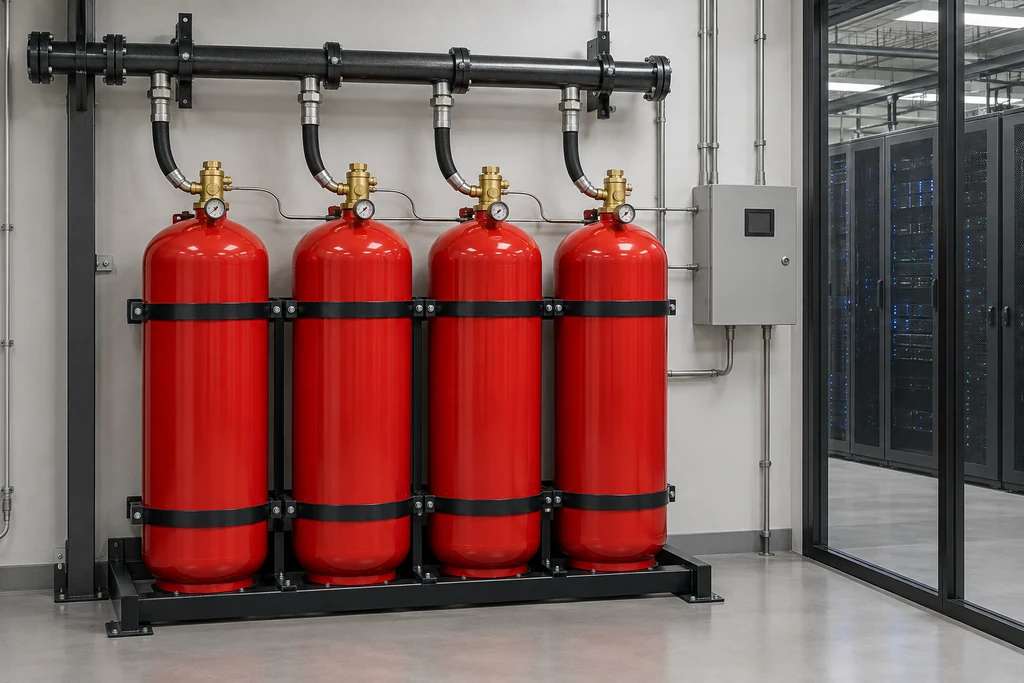
Engineering services (Gas suppression)
Agent selection is only one part of a suppression design. The enclosure, operating temperature, occupancy, detection, release controls and ventilation interfaces all affect the system requirements. A clear engineering basis distinguishes the protection objective from the product-specific design and evidence needed to support it.
Changes to enclosure volume, leakage paths, contents or ventilation can alter the original assumptions. Existing systems and proposed conversions therefore require a scoped review. Manufacturer design limits, approved calculations and applicable safety requirements must be considered for the selected system.
NFPA 2001 clean-agent design
FESOL supports clean-agent system design and technical review where NFPA 2001 forms part of the agreed design basis. Agent selection, enclosure conditions, occupant safety, release controls and manufacturer calculations are coordinated with applicable SANS requirements and the project’s approval process.
The scope identifies the required enclosure testing, pressure-relief information, commissioning evidence and responsibilities for the selected system.
Explore our NFPA design capabilitiesScope of expertise
The appointment is defined around the facility, available information and required project outcomes. Relevant services can include:
- Inert gas and other suitable extinguishing-agent system requirements
- Enclosure information, integrity and pressure-relief considerations
- Detection coincidence, releasing controls, warning and shutdown interfaces
- Pipework, pressure ratings and specialist calculation review
- Assessment of water mist, aerosol or other special systems where appropriate
- Commissioning information, enclosure testing and handover requirements
- Commercial kitchen and local-application suppression interfaces where included in the project scope
Design and deliverables
We establish the risk and enclosure information, define the system requirements and review the selected manufacturer’s supporting design information within the appointment. Release functions, occupant warnings, ventilation shutdown and other interfaces are coordinated with the project team.
Suppression design basis and interface requirements
Documents and engineering information appropriate to the defined appointment and project stage.
Technical review of system calculations and equipment
Recorded findings, requirements and matters for resolution by the responsible parties.
Enclosure and manufacturer design coordination
For gaseous systems, the agreed design basis identifies the relevant SANS 14520 requirements and the selected manufacturer’s design method. The room volume, operating temperatures, contents and occupancy are recorded with the enclosure and ventilation information. Manufacturer calculations are reviewed against that same set of inputs.
Pressure-relief requirements, enclosure integrity and the intended hold time need to be considered together with the building construction. Releasing controls, warnings and shutdowns are recorded in the detection and alarm cause-and-effect schedule. The commissioning and handover scope identifies the evidence required to verify the completed installation.
Project information
Provide room dimensions, contents, operating conditions, occupancy, ventilation information and the selected manufacturer data. Identify connected spaces, pressure-sensitive construction and existing system records.
The scope, deliverables, site involvement and responsibilities are confirmed for each appointment.
Discuss your engineering requirementsDiscuss your engineering requirements
Contact FESOL for fire engineering, mechanical design or technical review