
Passive fire protection & compartmentation
Review of compartmentation, fire doors, service penetrations and other passive measures, with structural and facade interfaces coordinated with the relevant designers
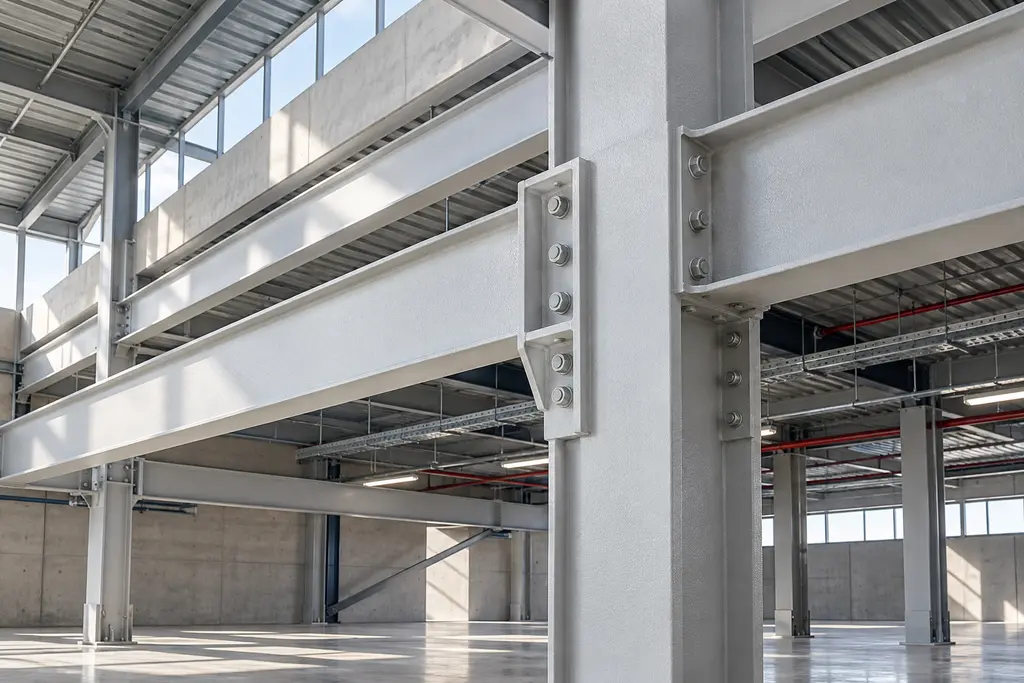
Engineering services (Passive fire protection)
Compartment boundaries, fire-resisting construction and protected routes form part of the building’s safety strategy. Their continuity can be affected by doors, ducts, service penetrations, joints and later alterations. The engineering brief needs to identify what each boundary is intended to achieve and which interfaces require a coordinated detail.
On existing assets, incomplete drawings and concealed work can limit what a visual review establishes. Inspection scope, access and the need for opening-up or specialist evidence are defined before conclusions are drawn. Structural design, product testing and installation certification remain with the appropriately appointed parties.
Scope of expertise
The appointment is defined around the facility, available information and required project outcomes. Relevant services can include:
- Compartmentation and fire separation requirements
- Fire-resisting doors, protected routes and enclosure interfaces
- Penetration seals, fire stopping, joints and cavity-barrier coordination
- Fire dampers, ducts, shafts and connected service interfaces
- Review of supporting product evidence and proposed passive protection details
- Structural fire resistance requirements coordinated with the structural engineer
- External wall, facade and roof fire-spread interfaces and relevant supporting evidence
Design and deliverables
We relate the proposed construction to the fire strategy, identify critical boundaries and review the supporting information for the agreed scope. Details are coordinated with architecture, structures and services. Review findings distinguish design intent, available evidence and matters requiring further verification.
Compartmentation requirements and interface schedules
Documents and engineering information appropriate to the defined appointment and project stage.
Technical review comments and evidence requirements
Recorded findings, requirements and matters for resolution by the responsible parties.
Project information
Provide plans, sections, construction details, the fire strategy and available product or installation records. Identify concealed areas, proposed penetrations and later alterations.
The scope, deliverables, site involvement and responsibilities are confirmed for each appointment.
Discuss your engineering requirementsDiscuss your engineering requirements
Contact FESOL for fire engineering, mechanical design or technical review